
There is something oddly satisfying about watching a building rise from dust and noise into something solid and lasting. If you have ever stood near a site at sunrise, with steel frames catching the first bit of light, you will know what I mean. It is messy, loud, a bit chaotic, but also full of quiet moments that are worth capturing. That is where the craft really begins, not just snapping photos, but noticing the story as it unfolds.
Construction sites are not neat, and that is the point. You will deal with mud, uneven ground, and constant movement. Instead of fighting that, lean into it. Walk around, take your time, and let your eyes adjust to the rhythm of the place. The best shots often come when you stop trying too hard and just observe.
Early mornings and late afternoons are your best mates here. Harsh midday light can flatten everything, while softer light brings out texture in concrete, metal, and dust. In construction photography, texture is everything. It tells you how something feels even through a screen, and that is what makes an image stick.
Yes, cranes and scaffolding look impressive, but it is the workers who bring life into the frame. A simple shot of someone tying rebar or checking plans can say more than a wide shot of the entire site. Keep it respectful, keep it real, and you will capture moments that feel honest.
Do not just shoot at eye level. Get low, climb a bit higher if it is safe, or shoot through objects. Frames within frames can add depth without much effort. Sometimes the slightly awkward angle ends up being the one that tells the better story.
One photo is nice, but a series tells a story. If you are visiting the same site over time, try to capture similar angles at different stages. Watching that transformation later is oddly rewarding, like flipping through a visual diary of hard work.
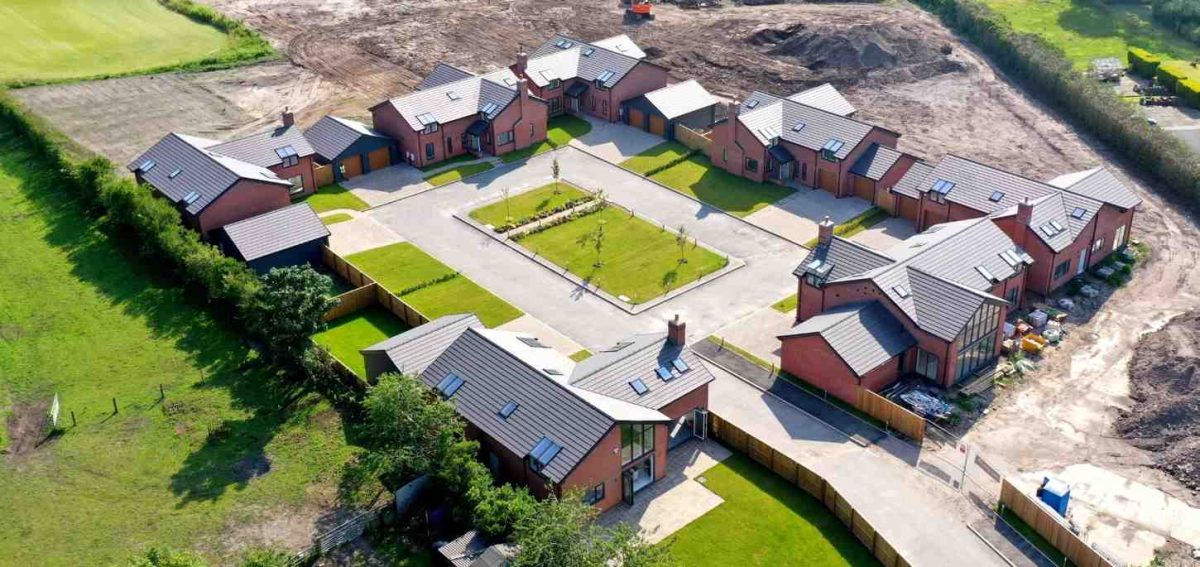
There are moments when stepping back, way back, changes everything. Using professional drone videography can give that broader view of scale and progress that ground shots cannot always show. It is not about showing off, just about giving context to the story you are already telling.
You do not need a bag full of fancy equipment. A reliable camera, a good lens, and a bit of patience will get you far. Focus more on timing and framing than constantly switching settings. The site moves fast, and sometimes you just need to be ready.
This might sound obvious, but it matters. Always be aware of safety rules and stay out of the way. When people see that you respect their work, they are more open to being part of your frame.
Not every shot needs to be perfect. A bit of blur, dust in the air, or uneven lines can actually make the image feel more real. Over-editing takes away that raw energy that makes these photos special in the first place.
At the end of the day, it is not about having the sharpest image or the most dramatic angle. It is about capturing a moment that feels true to the space and the people in it. If you keep showing up, staying curious, and paying attention to the small details, the story will find its way into your photos without much force.
Leave a Reply