
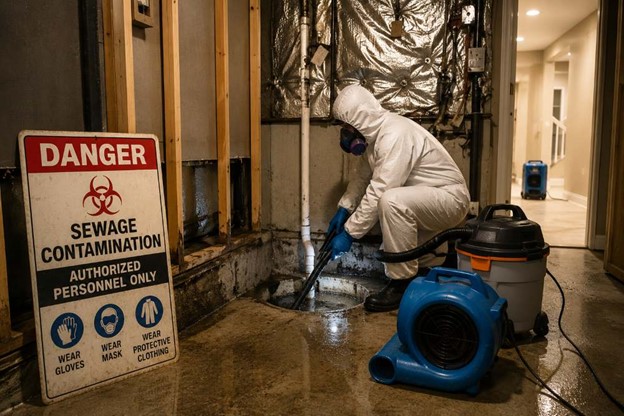
Most homeowners have a general sense of what to do if a pipe breaks or the basement takes on water during a storm. But there is one type of home emergency that tends to catch people completely off guard, both in terms of what to do and how serious it actually is. When a sewage line backs up or fails, the situation that results is unlike any other home disaster in terms of what it requires and how urgently it needs to be addressed. Understanding this ahead of time makes a difficult situation far easier to navigate.
When the Problem Is Not Just Water
A sewage backup is fundamentally different from a water leak or a flooded basement from rainfall. It introduces biohazardous material into the home that poses real health risks to anyone who comes into contact with it. Bacteria, pathogens, and contaminants present in sewage require a level of handling and cleanup that goes far beyond what a homeowner with a mop and some cleaning products can safely accomplish. The affected area needs to be isolated. Personal protective equipment is required. And all materials that came into contact with the sewage need to be evaluated for disposal because many of them simply cannot be cleaned to a safe standard regardless of how thorough the attempt.
Why Professional Response Is Not Optional Here
This is one situation where calling for professional help is not a matter of preference or budget. It is a matter of health and safety. Professional sewage cleanup services bring the equipment, training, and protective protocols necessary to address the situation without exposing anyone in the home to additional risk. They know which materials can be salvaged and which need to come out. They know how to treat affected surfaces to a standard that is actually safe rather than just visually clean. And they know how to document everything properly, which matters significantly when it comes to working through an insurance claim on the back end of the event.
What Comes After the Initial Cleanup
Once the hazardous materials are removed and the affected area is properly sanitized, the next phase involves assessing what the event did to the home structurally and cosmetically. Sewage events are also water events, which means that the flooring, walls, and structural materials in the affected area need to be evaluated for damage just as they would be after any other water intrusion. Materials that appear unaffected on the surface may still be holding moisture that will create problems later if not properly addressed. This is the phase where working through proper channels with a professional team makes the biggest difference in the final outcome.
Rebuilding After the Cleanup Is Finished
After any area has been properly cleaned, sanitized, and dried, attention shifts to restoring it to a usable and safe condition. Thorough water damage repair in this context means addressing everything the event affected, not just the most obvious visible damage. That might include replacing flooring, replacing sections of drywall, repainting affected surfaces, and ensuring that any materials used in the reconstruction meet the same standard of quality as everything around them. This work, done properly, returns the home to a state that is genuinely livable again rather than just cosmetically acceptable.
No one expects a sewage emergency. But being informed about what it involves and what proper recovery looks like puts you in a much stronger position if you ever face one. The most important thing you can do in that moment is resist the urge to handle it yourself and trust the process that professionals use to make your home safe again. That trust, placed in the right hands, is what gets your family back to normal.
Leave a Reply