
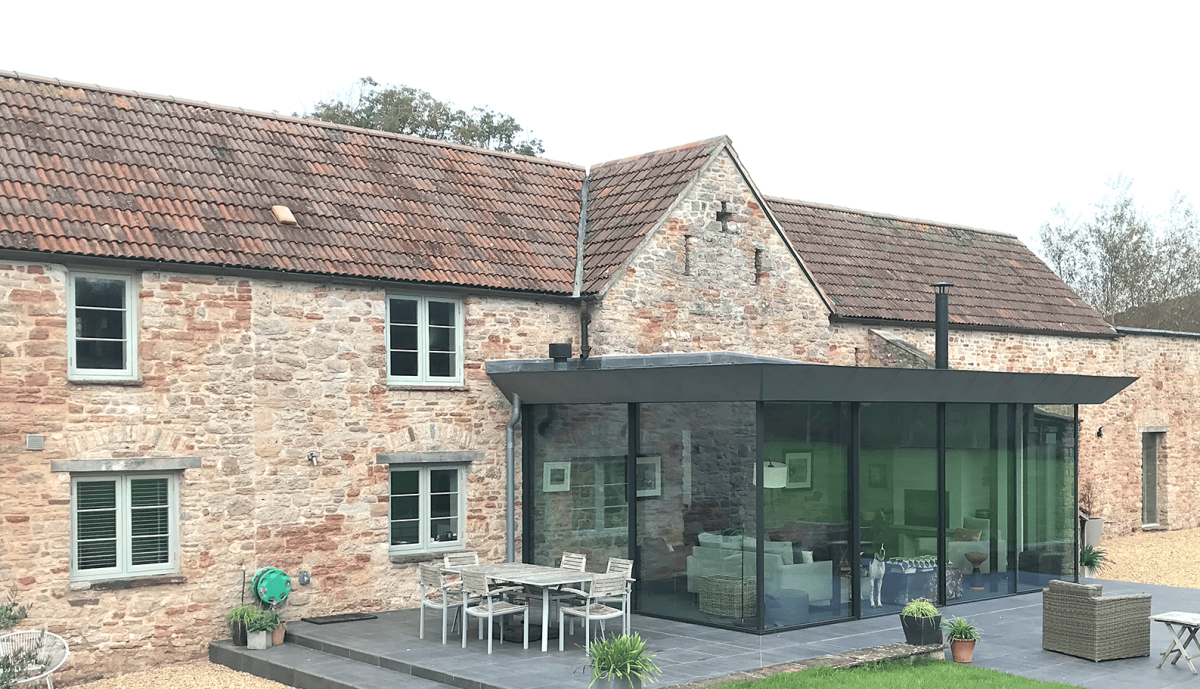
There is something about an old building that instantly slows you down. Maybe it is the weathered stone, the worn wooden doors, or the tiny details carved by hands that lived centuries ago. These places carry stories that no history book can fully explain. They remind us where we came from and why protecting our built heritage still matters. When people decide to restore or adapt an older property, they are not just improving a structure. They are giving another chapter to a place that has already seen generations come and go. That is why careful planning always makes a huge difference before any work begins. A thoughtful approach helps keep the original character alive while making the building comfortable for modern life.
No two heritage properties are exactly alike, even if they were built during the same period. One building may hide beautiful stonework beneath old repairs, while another could have timber features that deserve extra care. Taking time to understand those details often leads to smarter decisions later. This is one reason many property owners choose to work with a Historic building architect who understands traditional materials, conservation methods, and the history behind older structures. Experienced professionals also know how to balance modern needs without taking away the character that makes these buildings special. That kind of careful thinking helps preserve both beauty and function for years ahead.
Many people think restoration starts with major construction, but it usually begins with observation. Looking closely at walls, roofs, windows, and foundations often reveals what the building truly needs. Rushing into repairs without understanding the original construction can create bigger problems later. Simple choices like selecting the right materials or keeping original features whenever possible often have a lasting impact. Older buildings were designed differently from modern homes, so they deserve solutions that respect their age instead of forcing modern shortcuts into every corner.
One thing that surprises many owners is how much planning happens before builders even arrive. Heritage projects often involve permissions, detailed drawings, surveys, and conversations with conservation officers. Although this stage may seem slow, it usually prevents delays once work begins. Many conservation focused architectural practices also coordinate with engineers, craftspeople, and planning specialists to create solutions that fit both the building and local requirements. This collaborative approach often leads to smoother projects and better long term results.
People sometimes believe preserving history means refusing change, but that is rarely true. Historic homes and public buildings still need to serve the people who use them today. Better insulation, improved lighting, practical layouts, and energy efficient upgrades can often blend naturally with original architecture when planned carefully. The goal should never be to erase the past. Instead, it should allow old spaces to continue serving future generations without losing the features that give them identity. Finding that balance often creates the most rewarding outcome.
One helpful habit is to spend time inside an older building before making plans. Walk through each room, notice how natural light moves across the walls, and pay attention to details that newer buildings rarely include. Original fireplaces, handcrafted beams, stone floors, and decorative moldings often become the heart of the property. Once these features disappear, they cannot truly be replaced. Even modest improvements feel more meaningful when they respect the building instead of competing with it. That patient mindset usually leads to choices people appreciate for many years.
Historic buildings survive because people continue to value them. Every careful repair, thoughtful renovation, and respectful improvement helps preserve a small piece of local history. We do not need to own a castle or a famous landmark to appreciate the importance of heritage architecture. Even a modest cottage or old family home can connect generations through its design and craftsmanship. When we treat these buildings with care, we keep their stories alive while creating spaces that remain useful, welcoming, and full of character for the people who come after us.
Leave a Reply