
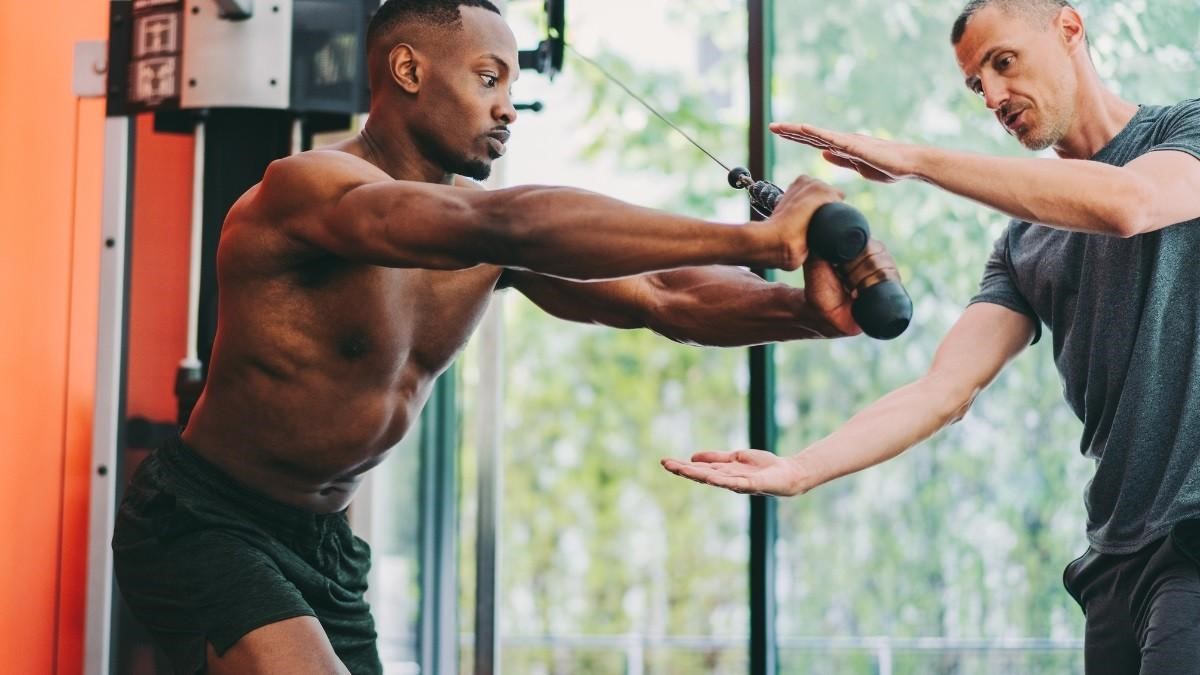
Staying healthy is about more than simply exercising for a few weeks or reaching a short-term fitness goal. As people age, maintaining strength, balance, flexibility, and cardiovascular health becomes increasingly important for enjoying an active and independent lifestyle. Personal training for longevity focuses on developing sustainable fitness habits that support overall well-being throughout every stage of life. Rather than concentrating only on appearance, this approach encourages consistent exercise, healthy movement, and gradual progress that can contribute to better health for years to come.
Build Strength for Everyday Activities
Muscle strength naturally declines with age if it is not maintained through regular activity. Strength training helps preserve muscle mass, making everyday tasks such as climbing stairs, carrying groceries, and lifting household items easier. Maintaining strength also improves overall confidence and supports greater independence throughout life.
Improve Balance and Stability
Good balance plays an essential role in reducing the risk of falls and maintaining mobility. Exercises that strengthen the core, legs, and supporting muscles help improve coordination and body control. Better balance allows people to move with greater confidence during both daily activities and recreational pursuits.
Increase Flexibility and Joint Mobility
Flexible muscles and healthy joints contribute to smoother movement and improved comfort throughout the day. Stretching exercises and mobility-focused training help maintain a healthy range of motion, making activities such as bending, reaching, and walking more comfortable. Improved mobility also supports better posture and reduces unnecessary strain on the body.
Support Heart and Lung Health
Regular physical activity benefits more than muscles and joints. Walking, cycling, swimming, and other forms of cardiovascular exercise strengthen the heart and improve circulation. Consistent aerobic activity also helps increase endurance, making everyday tasks less physically demanding while supporting long-term cardiovascular health.
Encourage Consistent Healthy Habits
One of the greatest benefits of personal training for longevity is the emphasis on consistency rather than quick results. Following a realistic exercise routine encourages people to stay active throughout the year instead of relying on short periods of intense activity. Building sustainable habits often leads to better long-term health outcomes.
Promote Better Mental Well-Being
Exercise has a positive effect on both physical and mental health. Regular movement can help reduce stress, improve mood, and increase energy levels. Many people also find that staying physically active improves concentration, sleep quality, and overall emotional well-being, contributing to a healthier lifestyle.
Adapt Exercise to Different Stages of Life
Fitness needs change over time, and exercise routines should evolve accordingly. Younger adults may focus on building strength and endurance, while older adults often place greater importance on mobility, balance, and joint health. Adapting exercise to individual needs helps ensure that physical activity remains safe, effective, and enjoyable throughout life.
Focus on Long-Term Progress
Healthy ageing is built through small, consistent improvements rather than dramatic changes. Setting realistic goals, increasing activity gradually, and allowing adequate time for recovery all contribute to steady progress. This balanced approach helps people maintain motivation while reducing the risk of overtraining or injury.
Choosing personal training for longevity is about investing in long-term health rather than pursuing temporary fitness goals. By improving strength, balance, flexibility, cardiovascular fitness, and overall well-being, regular exercise supports a more active and independent lifestyle at every age. Consistent movement, combined with healthy daily habits, can help people enjoy better quality of life and maintain their health well into the future.
Leave a Reply