
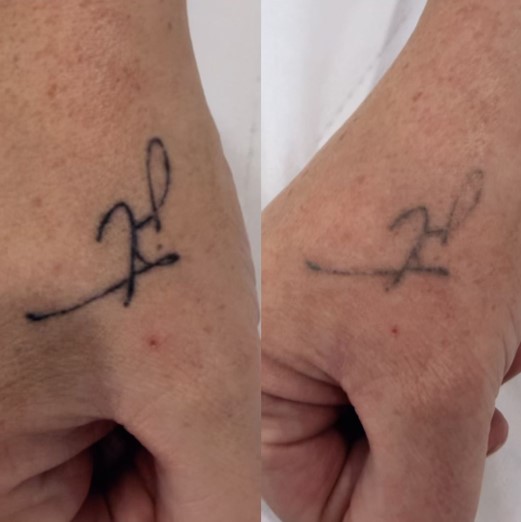
We have all made decisions that felt right at the time, only to look back a few years later and wonder what we were thinking. Tattoos can be one of those things. Maybe the design no longer matches your personality, the ink has faded unevenly, or you simply feel ready for a fresh start. Whatever the reason, deciding to remove a tattoo is a personal choice, and thankfully, modern skin treatments have made the process more accessible.
If you have been researching tattoo removal in Campbelltown, it helps to understand how laser treatments work, what affects the results and how to look after your skin along the way. A little preparation can make the whole experience feel less overwhelming.
How Does Laser Tattoo Removal Actually Work?
Laser tattoo removal works by directing short pulses of light energy towards the ink particles beneath the skin. These pulses break the ink into much smaller fragments, which the body’s natural processes gradually clear away over time.
Different ink colours can respond differently to laser treatment. Black and darker pigments are generally easier to target, while lighter shades such as green, blue and yellow may need a more tailored approach. The age, size, depth and type of tattoo can also influence how quickly it fades.
Modern picosecond laser technology is designed to deliver very short bursts of energy, helping target tattoo pigments more precisely. Some systems also use cooling technology to help improve comfort during treatment.
What Should You Consider Before Starting?
Before booking a session, think about what you want to achieve. Are you hoping to remove the entire design, lighten it for a cover-up tattoo or simply reduce the appearance of certain areas? Having a clear idea of your goal makes it easier to discuss suitable treatment options.
Skin type is another important consideration. Not every tattoo or skin responds in exactly the same way, so a proper assessment should happen before treatment begins. A trained practitioner can look at the tattoo, discuss your skin history and explain what kind of results may be realistic.
If you are comparing options for tattoo removal in Campbelltown, do not just focus on the number of sessions or the advertised price. Ask about the technology being used, practitioner experience, possible side effects and the aftercare support available.
How Many Sessions Will You Need?
This is probably one of the first questions people ask, and there is no single answer. Some tattoos fade more quickly than others, while stubborn colours or deeply placed ink can take longer.
Several sessions are usually needed, with suitable healing time between appointments. Your body needs time to process the fragmented ink, so rushing the process is not a good idea. A personalised treatment plan is generally more useful than expecting a fixed number of visits.
It is also worth remembering that complete removal is not always possible. In some cases, a tattoo may fade significantly without disappearing entirely. Having realistic expectations from the beginning helps avoid disappointment.
Looking After Your Skin After Treatment
Aftercare is just as important as the laser session itself. Your skin may feel warm, look red or become slightly swollen for a short time. These reactions can happen after treatment, but following professional advice helps support recovery.
Keep the treated area clean, avoid picking at any scabs or blisters and protect the skin from direct sunlight. Avoid unnecessary friction and follow the practitioner’s instructions about exercise, swimming and skincare products.
If you notice unusual pain, worsening redness or signs of infection, contact your practitioner for advice rather than trying to manage it yourself.
A Fresh Start Begins with the Right Information
Removing a tattoo does not need to be a rushed decision. Take your time, ask questions and understand what the treatment involves before getting started. With realistic expectations, appropriate technology and consistent aftercare, you can make a more confident decision about your skin and what you want for the future.
Leave a Reply