
Do you spend most of your time sitting at the office desk? If yes, you have come to the right place. Modern life has quietly removed movement from the daily routine. Many people work at desks, commute in cars, and unwind in front of screens. While this sedentary lifestyle may feel normal, your body is designed to move. Low physical activity levels and prolonged sitting are associated with weight gain, reduced cardiovascular fitness, metabolic issues, poor posture, and even declining mental health. Do you know the good news? Maintaining sound health while leading a sedentary lifestyle is possible! It does not need drastic changes; it calls for strategic and consistent habits.
Build Micro Movement into Your Day
If you sit for extended periods, the most powerful habit you can build is intentional micro-movement. Long uninterrupted sitting slows blood circulation, weakens the glutes, tightens hip flexors, and strains the lower back. Set a timer and stand up every 30 minutes. Walk around the room, stretch your arms, roll your shoulders, and perform a few squats. These brief activity breaks can improve your blood circulation and reduce muscular stiffness. Even a two-minute movement break can reenergize your body and reset your posture.
Prioritize Posture Awareness
Poor posture is one of the biggest consequences of sedentary work. Forward head position, slouched shoulders, and rounded upper backs put unnecessary strain on your spine and surrounding muscles. What should you do? Simple! Create an ergonomic work station. Keep the screen at eye level, feet flat on the floor, and knees bent at 90 degrees. Avoid leaning forward on your screen and keep your shoulders relaxed. You can also consult a physical therapist if you experience muscle pain.
Strengthen Your Muscles
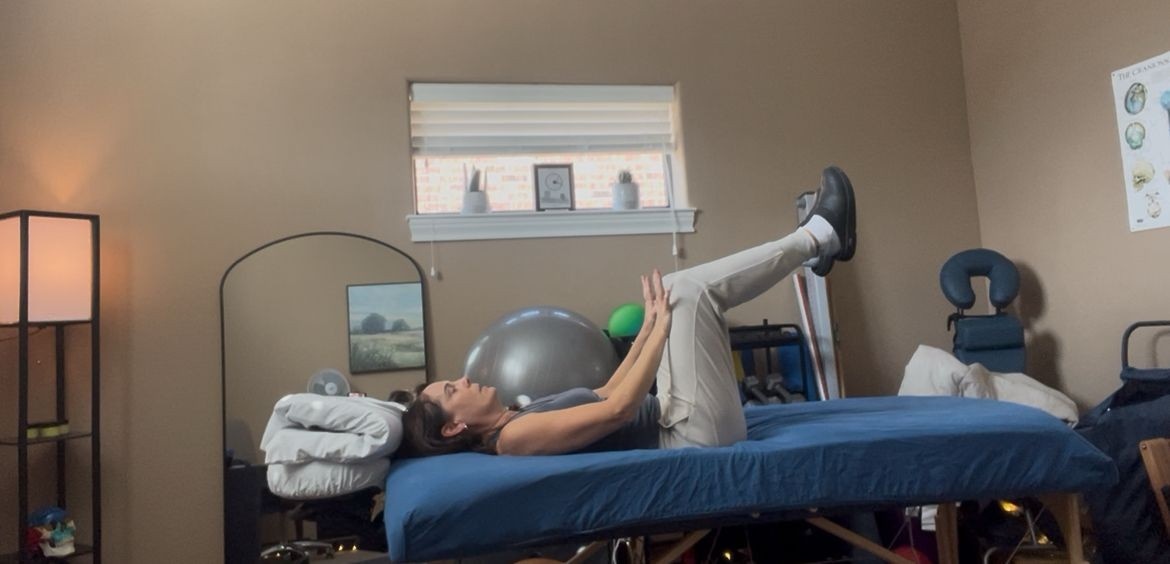
Sitting for long periods weakens certain muscle groups, particularly the core, glutes, and upper back. When these mussels become inactive, other mussels compensate. It can lead to pain and imbalance. Incorporate simple strength exercises into your routine. Planks, resistance band exercises, and glute bridges are effective and hardly require a gym. Strength training helps restore muscle balance and supports joint health. Building strength is especially essential as muscle mass naturally declines with age.
Protect Your Cardiovascular Health
A sedentary lifestyle can create a negative impact on your heart health. Even if you sit most of the day in the office, you can still support your cardiovascular system through intentional activities. Aim for at least 150 minutes of moderate aerobic exercise per week. Swimming, cycling, brisk walking, or dancing can be excellent options. If your schedule is tight, exercise for 30 minutes per day. If structured workouts feel overwhelming, you can increase your daily movement in simple ways.
Stretch Your Muscles
While some mussels weaken from sitting, others become tightened. The hip flexors, chest muscles, and hamstrings are often the problem areas. Daily stretching can improve flexibility and reduce stiffness. Focus on lengthening the chest, opening the hips, and mobilizing the spine. Besides consciously improving lifestyle, many people consider the Gyrotonic method therapy for posture correction. A gentle yoga routine is also helpful for those who sit most of the day. Remember, consistency is the key to success. Five or ten minutes of targeted stretching daily can significantly improve your range of motion over time.
Focus on Nutritional Balance
When you sit for most of the day, you burn fewer calories. Excessive calorie intake and low movement can contribute to metabolic imbalance and weight gain. Prioritize whole foods, such as fruits, vegetables, lean proteins, healthy fats, and whole grains. Reduce consumption of highly processed snacks and sugary beverages. Drink plenty of water throughout the day, as dehydration can worsen fatigue. Balanced meals stabilize your energy level and support overall health.
Prioritize Mental and Emotional Well-Being
A sedentary lifestyle can affect more than your physical health. Limited movement and extended screen time can lead to stress, fatigue, and reduced mood stability. Physical activity is a powerful mood booster. Even light exercise stimulates the release of endorphins and improves your cognitive clarity. Consider mindful breathing exercises or short outdoor walks in your daily schedule. Exposure to fresh air and natural light has significant benefits for mental health.
Focus on Sleep and Recovery
You often overlook recovery when considering a sedentary lifestyle. Ironically, sitting all day can still leave you feeling exhausted. Muscle tension and improper blood circulation can make you feel fatigued. Try to sleep 7-9 hours each night. Follow a consistent bedtime routine and limit screen exposure before bed. Gentle evening stretches can also help relax your tight muscles. Proper sleep allows your body to regulate hormones, maintain metabolic balance, and repair tissues. Without proper sleep and recovery, even healthy habits may not produce optimal results.
A sedentary lifestyle does not automatically mean poor health. The key lies in intentional activities. When you consider movement breaks, maintain proper posture, and support cardiovascular health, you can reduce the risks associated with prolonged sitting.
Leave a Reply