
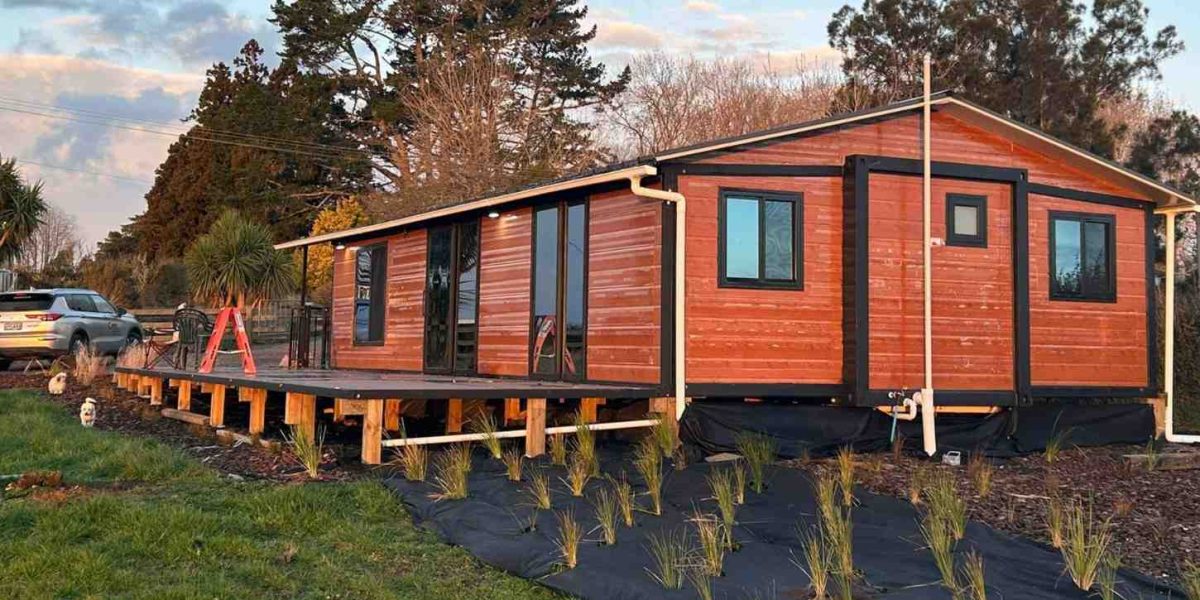
Portable tiny homes are changing the way people think about housing. With rising property prices, growing interest in minimalism, and the desire for more freedom, many individuals and families are exploring compact, movable living spaces. These homes combine smart design, functionality, and mobility without sacrificing comfort.
From sleek glass-front cabins to off-grid solar-powered setups, portable houses offer flexibility for different lifestyles. Whether someone wants a backyard office, a holiday retreat, or a full-time residence, there is a design to match every need.
Below are eight inspiring portable tiny home examples that highlight how creative and practical small living can be.
The 20ft Horizon Glass Portable Home stands out for its modern design and large glass panels. Floor-to-ceiling windows allow natural light to fill the interior, making the space feel much larger than it actually is.
This type of portable tiny home is ideal for scenic locations such as countryside properties, beachside land, or mountain areas. The glass frontage connects indoor and outdoor living, offering beautiful views and a bright, open atmosphere.
Despite its compact size, a 20ft layout can include:
It works well as a guest house, studio, or short-term accommodation unit.
For those looking for something more refined, the 20ft Premium Portable Home focuses on high-quality finishes and efficient use of space. Premium fittings, insulation upgrades, and stylish interiors make it suitable for long-term living.
This model often includes clever storage solutions such as built-in cabinets, foldable furniture, and loft-style sleeping areas. The goal is to maximize every square metre without making the home feel crowded.
It is a popular option for:
Compact yet comfortable, this design shows how luxury and minimalism can go hand in hand.
The Gable Roof Terrace Edition adds architectural character to portable living. The classic gable roof improves internal ceiling height, making the space feel airy and open.
Some versions also include a small terrace or deck area, extending the living space outdoors. This makes it perfect for entertaining, relaxing, or enjoying morning coffee in the fresh air.
Benefits of a gable roof design include:
It blends traditional house styling with modern portable construction.
For those who need more space, the 30 ft premium portable home offers greater flexibility in layout. With an extra 10 feet compared to 20ft models, this version can comfortably accommodate separate living and sleeping zones.
Possible inclusions:
This size is often suitable for couples or small families who want to downsize without giving up everyday comfort. It also works well as a secondary dwelling on rural or lifestyle properties.
The extended floor plan allows for better zoning, making it feel more like a traditional house while still being portable.
The Apple Cabin is known for its unique curved or compact exterior design. It often features a minimalist structure with a cozy interior layout.
This style of portable home is commonly used for:
Its charm lies in simplicity. The smaller footprint encourages efficient living while reducing environmental impact. With proper insulation and smart interior planning, even a small cabin can provide year-round comfort.
The Apple Cabin concept shows that portable homes do not have to follow a standard rectangular design. Creative shapes and layouts can add personality to small spaces.
While the 20ft Horizon Glass Portable Home is compact, larger Horizon Glass models take the concept further. These versions emphasize panoramic views and open-plan living.
Key features often include:
These designs are especially attractive for lifestyle properties where scenery plays a big role. The extensive use of glass not only enhances aesthetics but also improves natural lighting, reducing the need for artificial light during the day.
It represents a blend of contemporary architecture and practical mobility.
The 40 ft Premium Portable Home offers the most spacious option among common portable layouts. With double the length of a 20ft unit, it can comfortably function as a full-time residence.
This size can support:
For families or those planning long-term living, this model provides room to move without stepping into traditional large-house territory.
Despite its size, it still maintains portability advantages. It can be relocated when needed, making it suitable for evolving lifestyle plans or land development strategies.
One of the most exciting aspects of portable tiny homes is the ability to integrate OFF GRID SOLAR SOLUTIONS. Off-grid setups allow homeowners to live independently from traditional utility networks.
Typical features include:
This approach is ideal for remote properties or for those who want to reduce their environmental footprint. Off-grid living supports sustainability while maintaining modern comfort.
When combined with portable construction, solar solutions offer true freedom. Owners can place their homes in rural, coastal, or off-the-beaten-path locations without relying heavily on infrastructure.
Why Portable Tiny Homes Are Gaining Popularity
Portable tiny homes are not just a trend; they represent a shift in lifestyle preferences. Many people are choosing flexibility, affordability, and simplicity over large, permanent structures.
Key reasons for their growing appeal include:
They also provide creative solutions for housing shortages, multi-generational living, and lifestyle property development.
Final Thoughts
Portable tiny homes offer more than just compact living. They provide adaptable, smartly designed spaces that suit modern needs. From the sleek 20ft Horizon Glass Portable Home to the spacious 40 ft Premium Portable Home, and even off-grid solar-powered setups, there is a design for every lifestyle.
These eight inspiring portable house examples demonstrate how small-scale living can still deliver comfort, style, and functionality. Whether used as a primary residence, holiday cabin, or additional dwelling, portable homes continue to redefine what it means to live well in a smaller footprint.
Leave a Reply