
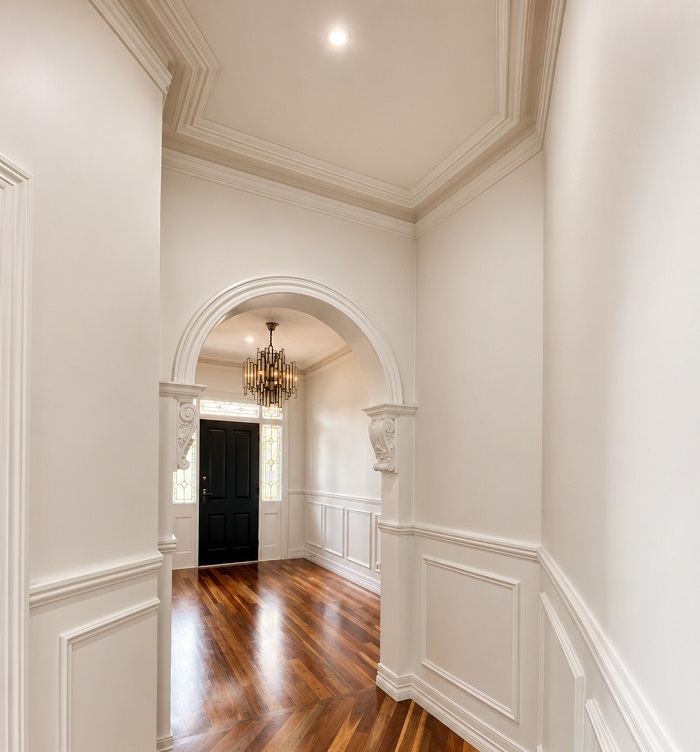
There is something surprisingly satisfying about walking into a room after it has been freshly painted. The furniture might still be in the same place, the flooring may not have changed, and you may not have added anything new, yet the whole space can suddenly feel cleaner and more comfortable. A tired wall can make a room look older than it really is, while the right colour can bring it back to life without the need for a major renovation. That is one reason painting remains such a popular home improvement project. If you are thinking about refreshing your home, a little planning before the first brush touches the wall can make a bigger difference than you might expect.
Choosing paint should start with the room itself rather than the colour chart. Look at how much natural light enters through the windows during different parts of the day, because the same colour can look completely different in morning sunlight compared with evening light. Furniture, flooring, curtains, artwork, and even the size of the room can also influence how a shade feels. When considering interior house painting Kew, it helps to test a few sample colours on the actual walls instead of making a decision from a small card in a store. Live with those samples for a couple of days and see how they look at different times before settling on one.
Most people get excited about choosing a colour, but preparation often matters just as much as the paint itself. Small dents, cracks, nail holes, peeling areas, and old marks can become much more noticeable once a fresh colour covers the wall. Depending on the condition of the surface, it may need cleaning, sanding, scraping, filling, or priming before painting begins. Taking care of these details helps create a smoother finish and gives the new paint a better surface to stick to. It is also worth protecting floors, furniture, light fittings, and other areas that should stay paint free. A little extra time before painting can prevent plenty of headaches later.
There is no need to follow every colour trend you see online. A room should work for the people who actually live in it, so think about the mood you want to create. Soft neutrals can make bedrooms and living spaces feel calm, while warmer shades can make larger rooms feel more inviting. Deeper colours can add personality to a feature wall, study, or dining area without overwhelming the entire house. Lighter shades can also help smaller rooms feel more open, especially when they work well with the available natural light. You do not have to use exactly the same colour everywhere either. A consistent palette can connect the rooms while still giving each space its own character.
Many Melbourne homes have interesting architectural details that are worth preserving rather than simply covering up. Timber trim, decorative features, older doors, and other original elements can add plenty of personality when they receive the right treatment. Before painting these surfaces, take a close look at their condition and work out whether they need repairs, sanding, filling, or specialist preparation. Painting over damaged timber will not make the underlying problem disappear, and it can sometimes make imperfections easier to notice. A careful approach can help keep the character of an older home while giving the interior a much cleaner and more current appearance.
Colour gets most of the attention, but the finish can also change how a room looks and performs. Some areas need surfaces that can handle regular cleaning, while others can benefit from a softer finish that creates a relaxed appearance. Kitchens, bathrooms, hallways, children’s rooms, and busy living areas may all have different practical needs. It is worth considering how much use each room receives before choosing a product. Quality paint also tends to make a difference when combined with proper preparation and application. Rather than simply choosing the cheapest option, think about how often the surface will need cleaning and how long you want the finish to remain looking fresh.
A whole house painting project can sound overwhelming, especially when you are also working, managing family life, and dealing with everyday responsibilities. You do not necessarily have to change everything at once. Starting with one tired room can give you a chance to see how a new colour affects the overall feel of the home before moving on to other areas. A bedroom, hallway, living room, or home office can often make a noticeable difference on its own. Once you see the result, deciding whether other rooms need attention becomes much easier. This approach can also make a larger project feel more manageable instead of turning it into a stressful weekend mission.
The best painted rooms are not always the ones that follow the latest design trend. They are usually the spaces that feel comfortable, practical, and connected to the people who live there. Take your time with colour choices, pay attention to natural light, prepare the walls properly, and think about how the room will actually be used every day. If you are unsure about the condition of your walls or the preparation they require, getting practical advice from an experienced painting professional can help you avoid unnecessary mistakes. A fresh coat of paint may seem like a small change, but when you choose carefully and take the time to do it properly, it can completely change how your home feels when you walk through the door.
Leave a Reply