
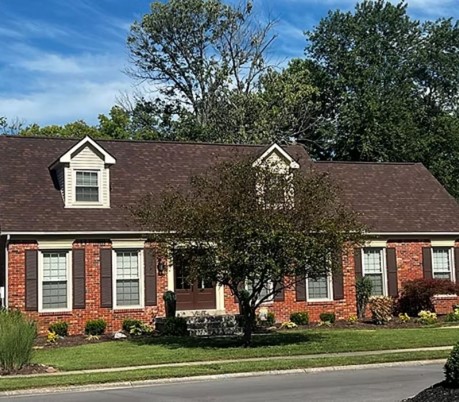
Your roof quietly protects your home every single day. It stands up to heavy rain, blazing sun, strong winds, and changing seasons without asking for much in return. Most people rarely think about it until they notice a leak or find a few shingles lying in the yard. By that point, a small issue has often turned into a much bigger and more expensive one.
The truth is, many roofing problems happen because of simple mistakes that homeowners never realize they are making. The good news is that most of these problems can be avoided with a little awareness and regular care. Many homeowners also rely on residential roofing services to spot early warning signs before they turn into major repairs, helping protect both their roof and their investment.
Ignoring Small Problems
It is easy to overlook a tiny water stain on the ceiling or think that one loose shingle is nothing to worry about. Life gets busy, and small repairs often get pushed to another day. Unfortunately, roofs do not work that way. Even a tiny opening can let water seep underneath the roofing materials, where it slowly damages the wood, insulation, and even the walls inside your home. What could have been a quick fix may eventually require much larger repairs. Paying attention to these early signs can save both money and unnecessary stress later.
Skipping Regular Roof Inspections
Many homeowners only think about their roof when something goes wrong, but waiting for visible damage is one of the biggest mistakes anyone can make. A simple roof inspection once or twice a year can reveal cracked shingles, damaged flashing, loose materials, or areas where water could eventually find its way inside. It is also smart to check your roof after a strong storm since wind and hail can leave behind damage that is difficult to notice from the ground. Catching these problems early usually means easier and less expensive repairs.
Cleaning Gutters Too Late
Gutters may not seem important, but they play a huge role in protecting your roof. When they become packed with leaves, dirt, and other debris, rainwater has nowhere to go. Instead of flowing safely away from your home, it can back up under the shingles or spill over the sides, leading to water damage around the roof and foundation. Cleaning your gutters a few times each year is one of the simplest maintenance tasks you can do, yet many homeowners put it off until problems appear.
Walking on the Roof Without a Reason
Climbing onto the roof might seem like a quick way to check things after a storm or clean away debris, but it often causes more harm than good. Roofing materials are not designed for unnecessary foot traffic, especially as they age. Walking across the surface can crack shingles, loosen materials, and create damage that was never there before. On top of that, roofs can be slippery even when they look completely dry, making falls a very real risk. Unless there is an important reason, staying off the roof is usually the safest choice.
Forgetting About Roof Ventilation
Many people never think about what happens inside the attic, but proper ventilation is an important part of keeping a roof healthy. Without enough airflow, heat and moisture become trapped, especially during the warmer months. Over time, this buildup can weaken roofing materials, increase cooling costs, and even encourage mold growth. A well ventilated roof lasts longer and helps your home stay more comfortable throughout the year.
Waiting Too Long After Storm Damage
After a storm passes, it is tempting to assume everything is fine if there are no leaks inside the house. However, storm damage is not always easy to spot. Strong winds can loosen shingles, hail can remove protective granules, and flying debris can create small cracks that slowly become bigger problems. Taking the time to inspect your roof after severe weather can help catch hidden damage before it turns into a costly repair.
Trying Every Repair Yourself
There is nothing wrong with enjoying home improvement projects, but roofing repairs are often more complicated than they appear. Online videos can make almost anything look easy, yet using the wrong materials or missing the real cause of the problem can make the damage worse. In some cases, a simple mistake shortens the life of the entire roof. When repairs go beyond basic maintenance, working with a professional roofing company is often the safest way to make sure everything is handled correctly.
Putting Off Roof Replacement
Every roof has a limited lifespan, no matter how well it has been maintained. Some homeowners continue repairing an aging roof because replacing it feels like a major expense, but those repeated repairs can quickly add up without solving the real issue. If your roof has reached the end of its useful life, replacing it at the right time can save money in the long run while giving your home better protection against future weather.
Not Paying Attention to Trees
Beautiful trees can add plenty of charm to a property, but branches hanging too close to the roof can become a problem. During windy weather, they can scrape against roofing materials and wear them down over time. Heavy branches may even break and cause sudden damage, while falling leaves often clog gutters and prevent proper drainage. Keeping trees trimmed back helps reduce unnecessary wear and allows your roof to do its job more effectively.
Final Thoughts
Your roof protects your family, your belongings, and everything that makes your house feel like home. It quietly handles every season without much attention, but it still needs a little care from time to time. Most roofing problems do not happen overnight. They usually begin with small mistakes that seem harmless until they slowly grow into something much more expensive.
By staying aware of these common mistakes and dealing with small issues before they become big ones, you can help your roof stay strong, your home stay safe, and your repair bills stay much lower for years to come. A little attention today can prevent major headaches tomorrow, giving you one less thing to worry about when the weather takes a turn.
Leave a Reply