
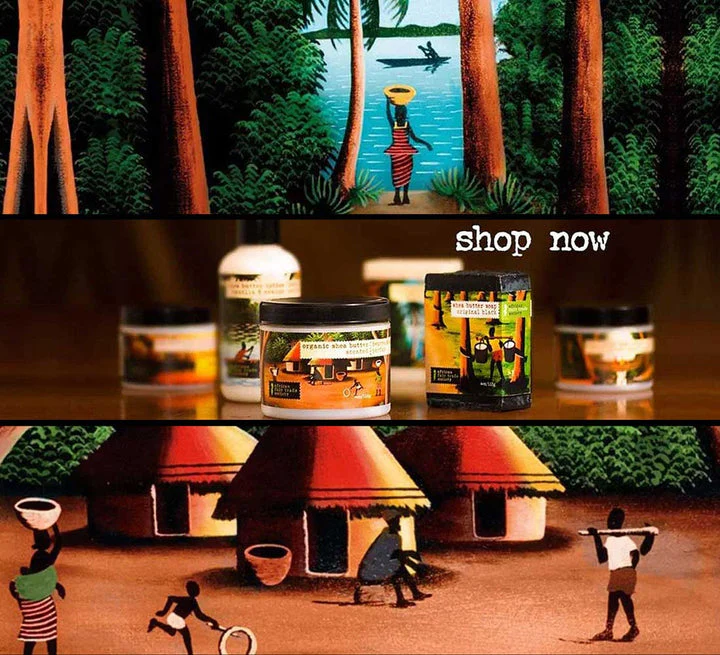
If you run a skincare line, a hair care brand, or even a small handmade soap business, you already know one thing is true. Ingredients matter. Customers read labels now. They ask questions. They want to know where things come from and who benefits from the process. That is exactly why shea butter has become such a staple in natural beauty products. But sourcing it the right way, especially in bulk, can feel overwhelming at first. I have seen many small brands struggle with this stage, and honestly, a few simple mindset shifts can make all the difference.
Shea butter has been used for generations across Africa for skin and hair care. It is rich, deeply moisturizing, and gentle enough for sensitive skin. In a market flooded with complicated formulas, people are turning back to ingredients they recognize and trust. Raw, unrefined shea butter keeps its natural vitamins and fatty acids, which is a big deal for brands that want to keep their ingredient lists short and clean.
When customers see pure shea butter on a label, they usually feel reassured. It sounds simple because it is simple. No long chemical names, no confusion. That kind of clarity builds trust faster than any fancy marketing line ever could. And when you are building a brand, trust is everything.
When businesses start looking into shea butter wholesale, the first instinct is often to compare prices. That makes sense, especially if you are trying to protect your margins. But price alone can be misleading. Quality varies a lot depending on how the shea nuts are harvested, processed, and stored.
Unrefined shea butter has a different texture and color compared to highly processed versions. It may have a mild nutty scent, which tells you it has not been stripped of its natural properties. If your brand stands for clean and honest ingredients, cutting corners here can backfire later. Customers can tell when something feels diluted or overly processed, even if they cannot explain why.
One thing that sets ethical suppliers apart is their connection to the communities that produce shea butter. Many fair trade focused organizations work directly with women’s cooperatives in West Africa. These partnerships help provide stable income and better working conditions. That kind of sourcing model creates a ripple effect that goes far beyond skincare.
When you partner with a company that values transparency and community support, you are adding depth to your own brand story. You are not just buying an ingredient. You are participating in a supply chain that respects the people behind it. Customers today are curious about this side of business, and when you can speak honestly about where your shea butter comes from, it adds real weight to your message.
Ordering in bulk changes the game a little. Storage becomes important. You need to think about shelf life, packaging, and consistency from batch to batch. A reliable supplier should be clear about how their shea butter is processed and how it should be stored to maintain quality.
Texture matters too. Good shea butter should melt smoothly in your hands and blend easily into formulations. If it feels gritty or overly greasy, that may affect your final product. Before committing to larger quantities, many smart brand owners test smaller batches first. It is a simple step, but it saves money and stress down the road.
When you are ready to scale, finding a dependable source for shea butter wholesale becomes less about a one time purchase and more about a long term relationship. Consistency is key. Your customers expect the same texture, scent, and performance every time they buy from you. That means your ingredient supply needs to stay steady as well.
Working with suppliers who focus specifically on pure shea butter collections can make that easier. They understand the product deeply and often provide detailed information about origin, processing methods, and quality standards. That kind of clarity helps you plan instead of constantly worrying about the next shipment.
At the end of the day, sourcing shea butter in bulk is not just a logistics decision. It is part of how you shape your brand values. Are you building something fast and cheap, or steady and thoughtful? There is no perfect formula, but there is power in being intentional.
Take your time. Ask questions. Think about what matters most to your customers and to you. When your ingredients align with your values, everything else feels more natural. And that is usually when your brand starts to grow in a way that actually lasts.
Leave a Reply