
When you imagine building your dream house, you probably picture walls going up, window installation, and the excitement of watching your dream come to life. However, the truth is that the most critical work happens before construction begins.
House construction is not just about materials and designs. It starts with careful planning, legal approvals, technical assessments, and detailed site preparation. These early steps determine whether your project runs smoothly or becomes a stressful, costly experience.
Evaluation of the Land and Its Potentials
First and foremost. Before proceeding, professionals verify whether your land is suitable for building. A plot may look flat and ready, but hidden factors can greatly impact construction. During this stage, professionals review zoning regulations to confirm the type of house allowed on the property. They also analyze the surrounding infrastructure, environmental restrictions, access roads, and nearby utility connections. Topography is examined to determine elevation changes that could impact foundation design and drainage. If the land has flood risks, soil instability, or slope challenges, you should address these issues in the planning phase.
A Professional Land Survey
Accurate measurements are crucial before construction begins. A professional land survey helps define property boundaries and provides detailed mapping of the site. Surveyors identify elevation levels, exact boundary lines, easements, and any encroachments. This prevents disputes with neighbors and ensures your house complies with the setback requirements of local authorities. The survey also helps architects position your home correctly on the plot. Proper placement affects sunlight exposure, drainage flow, driveway access, and long-term resale value.
Soil Testing
What lies beneath your home matters as much as what stands above it. Soil testing determines whether the ground can safely support the structure. Atlanta is well known for its red clay soil. While clay can provide soil support, it also contracts and expands as the moisture level changes. This movement can put stress on foundations if they are not addressed properly. Before the construction begins, engineers test soil samples to evaluate moisture behavior and load-bearing capacity.
Home Designing and Engineering Plans
Once the land has been evaluated, engineers and architects begin translating your ideas into technical plans. This phase involves far more than drawing a floor plan. Structural engineers calculate load distribution to ensure your home meets safety standards. Engineers design your drainage system to prevent water accumulation around the foundation. Utility planning ensures proper routing for water, sewage, electricity, and gas lines. All these elements must work together seamlessly, as poor coordination can cause delays, redesigns, and unexpected expenses. Land development contractors in Atlanta collaborate during this process to align engineering plans with real-world site conditions.
Security Permits and Regulatory Approvals
No construction can legally begin without the proper permits. The permitting process is thorough and designed to ensure code compliance and public safety. Homeowners and builders must submit architectural plans, site layouts, structural calculations, and drainage designs for review. Depending on your project, additional permits may be required for land distribution, utility connections, or tree removal. The review timeline can vary depending on your project and workload.
Site Preparation
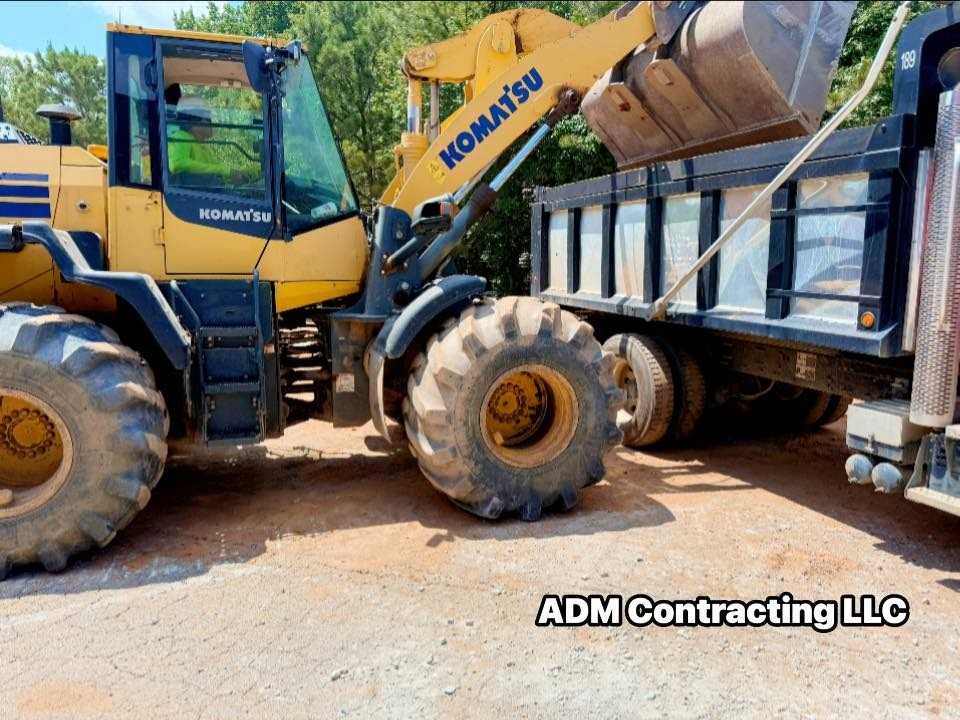
Once approvals are granted, physical preparation of the land begins. This is the stage where the transformation from raw land to a build-ready site takes shape. Site preparation may involve leveling uneven ground, demolishing existing structures, cleaning debris, and removing trees. Excavation work shapes the land to match your foundation design. Grading is one of the most critical steps during this phase. It is better to consult reputable professionals for residential grading services in Atlanta. Proper grading ensures water flows away from your house rather than pooling around it.
Installation of Utilities
Before construction begins, focus on essential infrastructure preparation. It is better to install underground systems early to avoid disruptions later. Gas lines, electrical conduits, septic systems, sewer connections, or water supply lines must be carefully positioned. Consider driveway access and road connections in this phase. Proper infrastructure planning ensures that once your home is ready, all essential services function efficiently.
Many homeowners focus on layouts, finishes, and interior design. However, the success of your home depends significantly on what happens before visible construction begins. Careful planning reduces unexpected costs and ensures the longevity of your property.
Leave a Reply