
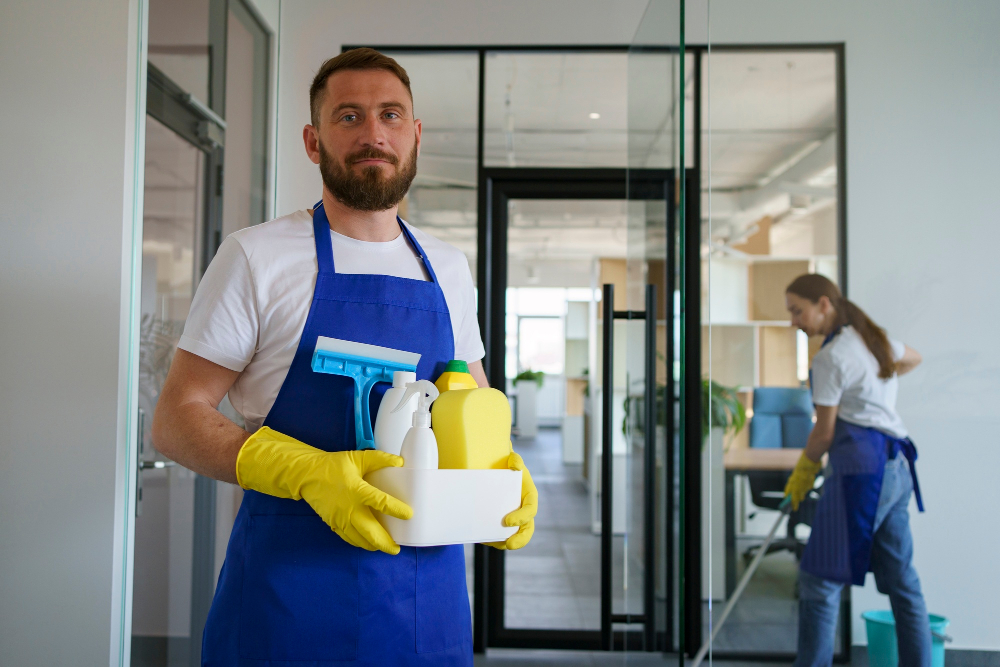
Think about walking into your office on a Monday morning and finding dusty desks, fingerprints on the glass doors, overflowing bins, and a kitchen that nobody seems to have cleaned since Friday. It does not exactly put you in the mood to get things done, does it? A workplace can have friendly people, great equipment, and a solid team, but when the surroundings feel messy, the whole day can start on the wrong foot. A clean business space helps people feel comfortable, stay focused, and welcome customers with confidence. It also shows that the people running the business care about the small details, which often say more than a fancy reception area or expensive furniture ever could.
When businesses think about cleaning, they often picture vacuuming the floors and wiping down desks, but the busiest areas usually deserve the most attention. Door handles, shared keyboards, kitchen counters, bathroom taps, and meeting room tables collect dirt and fingerprints throughout the day. Employees touch these surfaces constantly, sometimes without even noticing how often they do it. Try creating a simple daily checklist that covers these shared spaces before moving on to less frequently used areas. Keep suitable cleaning supplies in an accessible place, give staff clear instructions, and make sure someone checks the work regularly. These small habits can make a real difference without turning cleaning into another complicated job for the team.
Every workplace has its own rhythm, so a cleaning schedule should reflect how people actually use the space. A small office with six employees probably does not need the same routine as a busy showroom, shared workspace, or commercial building with visitors coming and going all day. Start by looking at foot traffic, working hours, floor types, washroom use, and the number of people sharing the kitchen. From there, decide which tasks need attention every day and which can wait until later in the week or month. For example, bins and bathroom surfaces may need daily attention, while interior windows, carpet deep cleaning, and detailed floor care can follow a planned schedule. A realistic routine keeps standards consistent and helps everyone understand what needs to happen.
Most business owners already have enough on their plates without adding hours of cleaning to their daily workload. Asking employees to handle every cleaning task might seem like a simple way to save money, but it can take time away from the work they were hired to do. This is where commercial cleaners Christchurch businesses rely on can become a practical part of workplace planning, especially when offices need regular attention or larger premises require more detailed care. Before making a decision, list the jobs your staff can manage easily and the tasks that need specialist equipment or more time. A clear picture of the workload helps you decide whether occasional deep cleaning, scheduled visits, or a combination of both makes the most sense for your business.
Floors and furniture can look reasonably clean from a distance while holding plenty of dust, dirt, and everyday grime. Office carpets collect particles from shoes, while upholstered chairs absorb body oils, food crumbs, and accidental spills. Glass doors and windows also show fingerprints quickly, particularly in reception areas where customers form their first impressions. Regular vacuuming and quick spot cleaning help, but they cannot always remove the dirt that settles deep inside carpet fibres or fabric. Plan occasional deeper cleaning based on the condition of these surfaces and the amount of daily use they receive. Acting early can also help you deal with small stains before they become stubborn marks that need more time and effort to remove.
A strong smell does not necessarily mean a surface is cleaner, and using more product than the label recommends does not guarantee better results. Some chemicals can irritate the skin or airways, particularly in enclosed rooms with limited ventilation. Whenever possible, choose suitable products that match the surface, follow the instructions, and give them the correct contact time. Biodegradable options may also suit businesses that want to reduce their environmental impact, provided the products meet the cleaning needs of the space. Never mix cleaning chemicals, especially bleach with other household cleaners, because dangerous fumes can develop. Store products safely, keep them away from food preparation areas, and make sure anyone responsible for cleaning understands how to use them properly.
Even the best cleaning schedule can struggle when everyone assumes somebody else will take care of the mess. The answer is not to expect employees to become full-time cleaners, but to encourage a little everyday responsibility. People can clear their own cups, wipe up spills, put rubbish in the right bins, and leave shared meeting rooms ready for the next group. Managers can support these habits by providing enough bins, keeping supplies available, and explaining why the routine matters. It also helps to invite feedback when something keeps getting missed, since staff often notice problems before anyone else does. When everyone plays a small part, the workplace stays more manageable between scheduled cleaning sessions.
A workplace does not need to look like a showroom every minute of the day. People work, eat lunch, move equipment, welcome clients, and sometimes have days when everything gets a little hectic. The goal is to maintain a space that feels hygienic, organised, and comfortable, rather than chasing an unrealistic level of perfection. Review your cleaning routine every few months, adjust it when the team grows or the layout changes, and pay attention to areas that collect dirt faster than expected. Most importantly, deal with problems before they turn into bigger jobs. A steady approach saves time, supports a healthier working environment, and helps employees feel more at ease.
A better workplace does not always require a major makeover or a long list of new rules. Often, the biggest improvements come from noticing what needs attention, setting a sensible routine, and making sure everyone understands their part. Start with the busiest areas, give carpets and furniture the care they need, and review your approach as the business changes. When cleaning becomes a regular part of looking after the workplace, it feels less like an endless chore and more like a practical investment in the people who use that space every day. That is a good place to start, and you can build from there.
Leave a Reply