
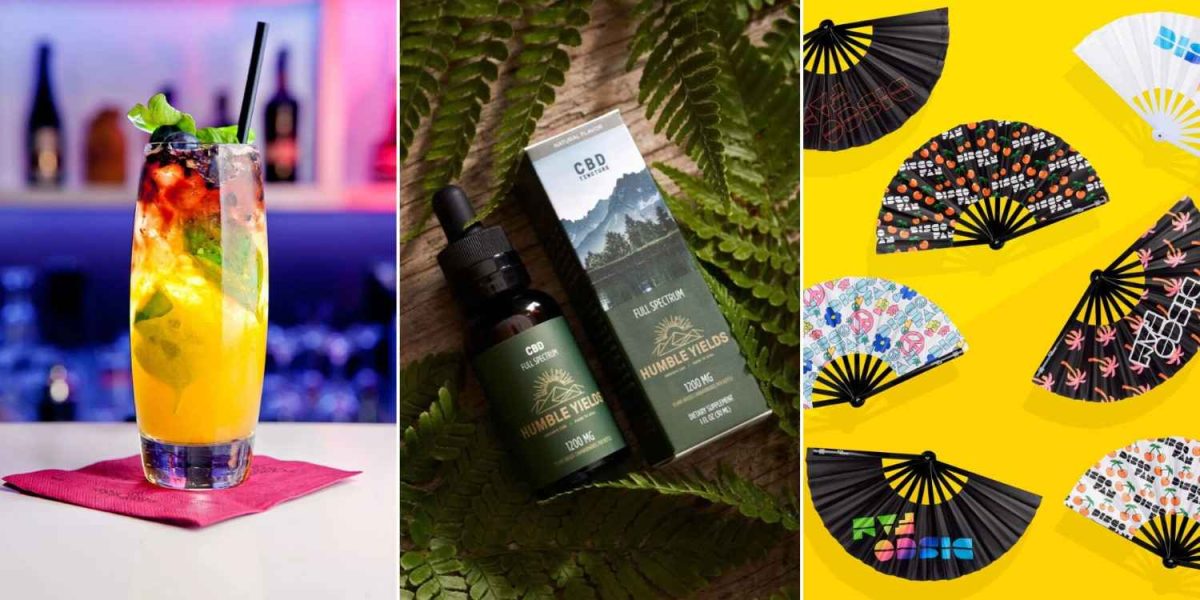
A professional brand photo session is not just about standing in front of a camera or placing products under studio lights. It is a strategic process that directly influences how customers perceive a business. Whether the focus is creative product imagery or detailed commercial shots, preparation determines whether the final images look polished and purposeful or rushed and inconsistent.
Understanding what to expect before the session and what mistakes to avoid can transform the entire experience. From defining visual goals to preparing products correctly, every step matters long before the first frame is captured.
One of the most important expectations before any brand session is clarity. Photography should align with business objectives rather than exist as standalone visuals. Brands must decide whether the images are intended for e-commerce listings, advertising campaigns, social media content, or printed materials.
For product-based businesses, this often includes planning for packshot photography, which focuses on clean, detailed product images against simple backgrounds. These photographs are essential for online stores because customers cannot physically inspect items before purchasing. Clear visuals build trust and reduce hesitation.
Creative photography, in contrast, aims to tell a story. It may involve styled environments, dramatic lighting, or lifestyle scenarios that evoke emotion. Both approaches are valuable, but clarity about their purpose ensures consistency across platforms.
Establishing a Visual Direction
Another important step before a brand session is defining the visual tone. Every brand has a personality. Some aim for a minimal and modern feel, while others prefer bold, expressive imagery. Without a defined direction, photographs can look disconnected from the brand’s identity.
Mood boards and reference images help guide the process. They communicate colour palettes, lighting preferences, and overall atmosphere. Vague instructions such as wanting something “premium” or “creative” are not enough. Specific examples provide clarity and reduce misunderstandings during the shoot.
Brands should also review their existing visuals. If consistency is important, new images should complement the current style. If a rebrand is underway, the session should clearly reflect the new direction.
Preparing Products for the Camera
One of the most common mistakes brands make is underestimating the level of preparation required for products. High-resolution photography reveals even the smallest imperfections. Dust, fingerprints, scratches, creases in packaging, or uneven labels become highly visible under studio lighting.
Every product should be thoroughly cleaned and inspected before the session. Packaging must be aligned correctly. Materials should be polished. Clothing items should be steamed to remove wrinkles. Attention to detail before the shoot prevents time-consuming corrections later.
When working with reflective materials, preparation becomes even more critical. In jewellery photography, for example, gemstones and metals reflect light easily. Any smudges or flaws can distract from the craftsmanship. Chains should be neatly arranged, clasps secured, and surfaces polished to ensure the final images communicate quality and value.
Creating a Clear Shot Plan
Professional photo sessions operate efficiently when there is a structured plan. Arriving without a clear idea of required angles, compositions, or product variations can waste valuable time. A shot list ensures that every necessary image is captured.
Brands should determine in advance whether they need close-ups, wide shots, detail shots, or lifestyle compositions. If multiple colours or variations exist, these should be organised logically to avoid confusion during the session. Planning prevents last-minute decisions that may compromise quality.
It is equally important to consider image formats. Some visuals may be required in square format for social media, while others may need landscape orientation for website banners. Communicating these needs beforehand allows the photographer to compose frames accordingly.
Avoiding Over Complicated Styling
Creativity enhances brand photography, but overcomplication can reduce clarity. Excessive props, distracting patterns, or conflicting colours may pull attention away from the product. In commercial photography, the subject must remain the focus.
Minimal styling often works best for e-commerce. Clean backgrounds highlight product details and improve consistency across catalogues. Creative elements can still be introduced thoughtfully, but they should support the product rather than compete with it.
Brands sometimes assume that dramatic setups automatically increase appeal. In reality, clarity and simplicity frequently deliver stronger commercial results.
Managing Expectations Around Editing
Another area where misunderstandings arise is retouching. Professional editing can refine colours, adjust exposure, and remove minor imperfections. However, editing is not a substitute for proper preparation. Poor lighting, rushed styling, or damaged products cannot be fully corrected in post-production.
Expecting unrealistic transformations places unnecessary pressure on the process. The strongest results come from combining careful planning with professional execution.
Considering Brand Representation
If team members or models will appear in the session, their presentation should align with the brand’s message. Clothing choices, grooming, and posture all influence perception. Distracting logos, overly busy patterns, or inconsistent styling can weaken the overall visual impact.
The goal is cohesion. Every element within the frame should reflect the brand’s identity and values.
Allowing Sufficient Time
Rushing a brand photo session often leads to avoidable mistakes. Tight deadlines reduce flexibility for adjustments and revisions. Allowing adequate time between the shoot and marketing launches ensures that images can be reviewed carefully and refined if necessary.
Photography is an investment in brand credibility. Treating it as a strategic process rather than a last-minute task increases the likelihood of strong, long-term results.
Final Thoughts
A brand photography session is not simply about capturing attractive images. It is about communicating professionalism, consistency, and purpose. By defining objectives clearly, preparing products thoroughly, and avoiding unnecessary complexity, businesses can ensure that their visuals strengthen their brand identity.
When expectations are realistic and preparation is thoughtful, the result is more than a collection of photographs. It becomes a visual foundation that supports marketing efforts, builds customer trust, and enhances overall brand presence.
Leave a Reply