
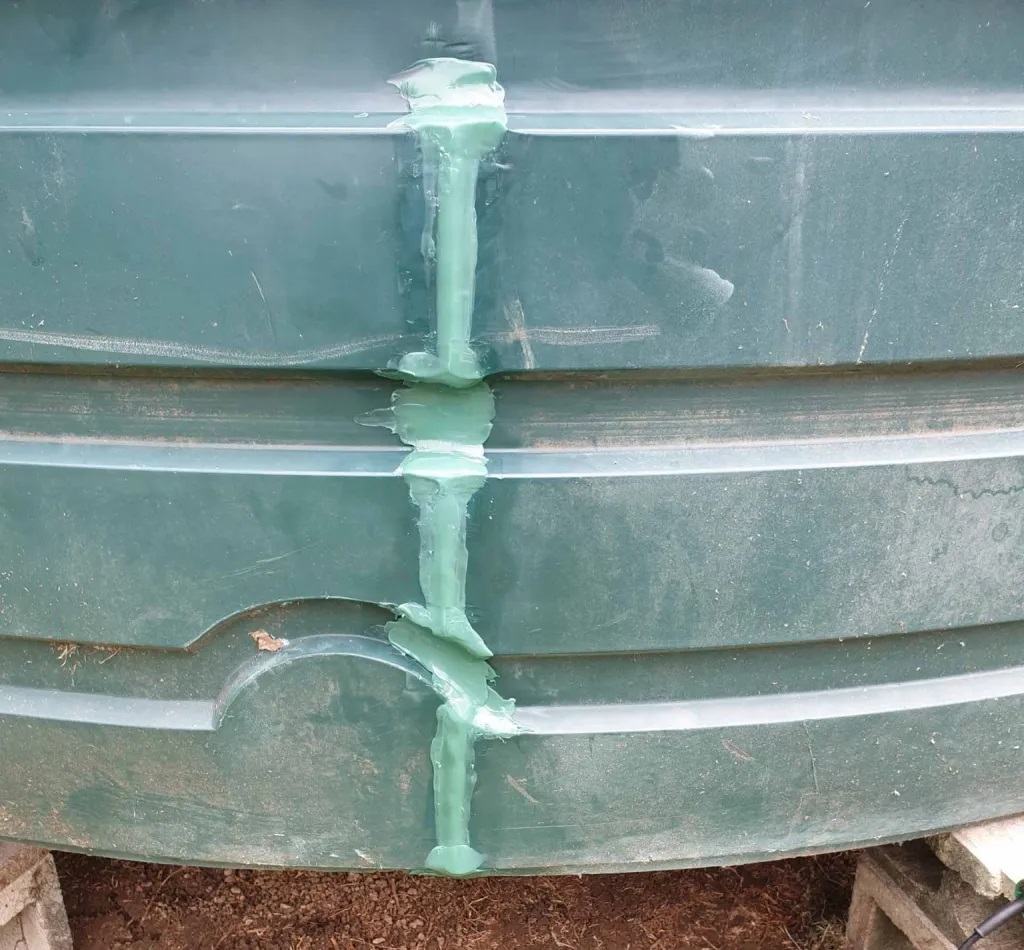
A cracked water tank has a way of showing up at the worst possible time. One day everything is fine, the next you notice a slow leak, a damp patch under the tank, or your water pressure feels off. It can be stressful, especially if you rely on that tank every day. The good news is that a crack does not always mean the tank is done for. In many cases, it can be repaired safely if you take the right approach and know when to stop and call for help.
Before grabbing tools or sealants, it helps to slow down and understand what you are dealing with. A rushed fix often leads to bigger problems later.
Not all cracks are created equal. Some are small surface splits caused by heat, sun exposure, or minor impact. Others are deeper structural cracks that keep spreading every time the tank fills up. Take a close look at the crack when the tank is empty and dry. Is it hairline thin or wide enough to catch a fingernail? Does it run straight or branch out like a web?
If water is seeping slowly and the crack is short, a repair may be possible. If the crack is long, growing, or near a joint or outlet, that is usually a sign the tank is under stress. Understanding this early saves time and frustration.
This step is boring but important. Any moisture, dirt, or algae around the crack will weaken a repair. Drain the tank fully and give the area around the crack a good clean. Warm water and a mild detergent usually do the job. Rinse well and let it dry completely.
Some people skip the drying step and wonder why the repair fails. Water trapped in the crack prevents bonding, no matter what material you use. If you are serious about learning how to repair a cracked water tank, patience here makes a big difference.
Most modern water tanks are made from plastic, usually polyethylene. That matters because many common sealants do not bond well to this type of plastic long term. Temporary fixes like silicone or epoxy may slow a leak, but they often fail after temperature changes or pressure cycles.
Plastic welding is one of the most reliable ways to repair cracks in plastic tanks. It involves melting compatible plastic into the crack so it becomes part of the tank again, not just a layer stuck on top. This method requires the right tools and experience, which is why many people choose to have it done professionally rather than trying to learn it on the fly.
Fixing the crack without addressing the cause is like putting a bandage on a splinter you never remove. Check the base the tank sits on. Is it level and solid? Uneven support puts constant pressure on the tank walls. Also look at how full the tank usually is. Overfilling or poor overflow design can stress the plastic over time.
Sun exposure is another common factor. UV damage makes plastic brittle, especially in outdoor tanks. If your tank is exposed all day, adding shade can help prevent future cracks after the repair is done.
Once the repair is complete and fully cooled or cured, do not rush to fill the tank all the way. Start with a small amount of water and watch the repaired area closely. Look for dampness, changes in shape, or new hairline cracks forming nearby.
Gradually increase the water level over several hours. This slow test helps you catch issues early, before pressure builds up. It also gives you peace of mind that the repair is holding under normal conditions.
There are times when repair is not the smartest option. If the tank has multiple cracks, severe warping, or signs of material breakdown, replacing it may be safer in the long run. Water tanks are under constant pressure, and a failed repair can cause sudden leaks or even tank collapse.
Professionals who specialize in plastic tank repairs spend a lot of time evaluating whether a fix will actually last. Their experience with different tank types and damage patterns helps avoid risky guesswork.
A cracked water tank can feel like an emergency, but it does not have to turn into a disaster. Taking time to inspect, clean, and choose the right repair method often leads to a solid result. Just as important is being honest about your own skill level and the limits of quick fixes.
Whether you handle a small repair yourself or seek expert help, the goal is the same. Keep your water safe, prevent future damage, and avoid repeating the problem down the road. With a steady approach and realistic expectations, even an annoying crack can turn into a manageable problem instead of a costly surprise.
Leave a Reply