
Life feels lighter when the days have rhythm. A reason to step outside. A clean kitchen you can cook in. A group of people who know your name and are happy to see you. For many people living with disability, quality of life is not about big dramatic changes. It is about small steady supports that make everyday living easier and more meaningful.
That is where the right mix of community programs and practical help at home can make a real difference. When you combine social connection with reliable support for daily tasks, something shifts. Stress eases. Confidence grows. And life starts to feel a little more your own again.
Let us talk about how that actually looks in real life.
There is a common idea that recreational programs are just something extra. A nice add on. But for many participants, they are the heartbeat of the week.
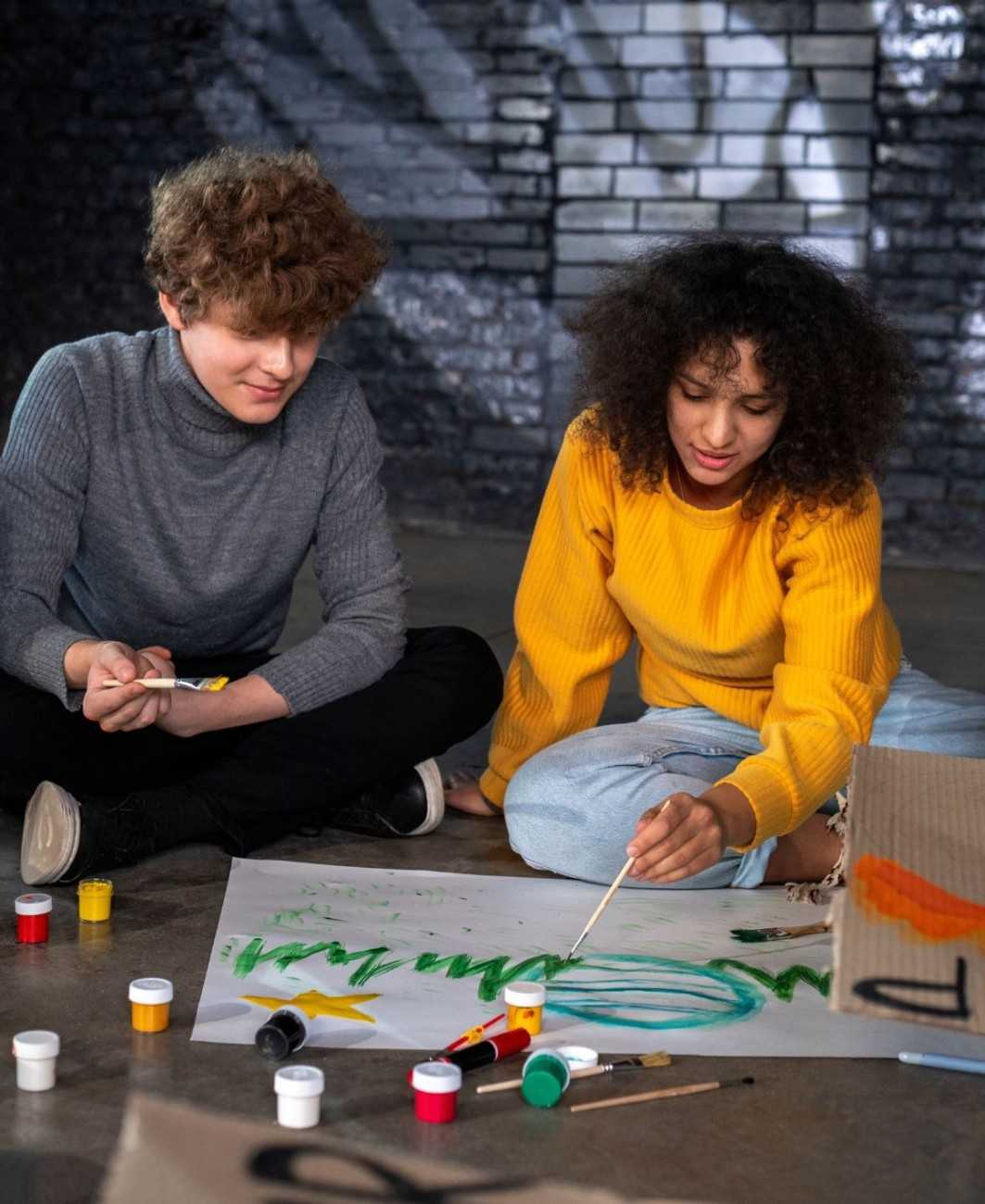
Being part of NDIS recreational group activities Melbourne gives people a reason to get up and get ready. It might be art in a local studio, gentle fitness in the park, cooking sessions, music afternoons, or community outings. The activity itself matters, sure. But what matters even more is the connection.
When you are surrounded by others who share similar experiences, you stop feeling like the only one navigating challenges. You laugh together. You try new things. You build small wins that turn into bigger confidence. It is not about being perfect at the activity. It is about showing up and being part of something.
If you are supporting a loved one, encourage them to try different groups until something clicks. The right environment can change everything. Some people thrive in creative spaces. Others prefer structured sessions with clear routines. Pay attention to what leaves them smiling on the ride home.
Recreational programs also bring structure. And structure is underrated.
When there is a regular weekly plan, days feel less overwhelming. Instead of long stretches of uncertainty, there are anchor points in the week. Monday is group fitness. Wednesday is social lunch. Friday is craft. That predictability can lower anxiety and create a sense of stability.
For many people, mental wellbeing improves simply because they are not isolated. They are seen. They are included. They are valued.
And the benefits often spill over into other areas of life. Someone who gains confidence in a group setting may feel more comfortable using public transport. Or speaking up at appointments. Or trying something new at home.
Now let us talk about the other side of quality of life. The part that happens behind closed doors.
Home should feel safe and calm. But when everyday tasks pile up, it can quickly become stressful. Dishes stack up. Laundry waits. Floors need attention. And suddenly the environment feels heavy.
This is where NDIS Household Tasks Melbourne can quietly transform daily living. Practical support with cleaning, meal preparation, or organizing does more than tick chores off a list. It creates breathing space.
When the house is under control, the mind often follows. There is more energy for hobbies. More patience for social interactions. More willingness to invite someone over for coffee. It may sound simple, but a tidy, functional space can lift mood in ways that are hard to explain until you experience it.
It is easy to think of household assistance as purely physical help. But the emotional impact is just as important.
Imagine waking up and knowing you do not have to struggle through tasks that drain your energy. That relief can reduce frustration and prevent burnout. It can also protect relationships. When family members are not overwhelmed by caregiving tasks, they can focus on being family again.
For participants who live independently, having steady support builds dignity. It means being able to stay in your own home longer. It means making choices about how your space looks and feels. That sense of control is powerful.
If you are navigating these services, be honest about what feels hardest at home. Is it deep cleaning. Is it grocery shopping. Is it meal planning. Naming the challenge clearly makes it easier to build the right support around it.
The real magic happens when recreational programs and household assistance work together.
Think about it this way. If someone attends a community art class but returns to a cluttered, stressful home, the positive energy fades quickly. On the other hand, if the home feels calm but there is no social engagement, days can still feel empty.
Balance matters.
A clean and organized space gives you the foundation. Recreational engagement gives you the spark. Together, they create momentum.
Families often notice that when both areas are supported, participants become more independent in surprising ways. They might start helping with simple meal prep. Or initiate plans with friends. Or take pride in maintaining their living space between support visits.
Quality of life is not built on one big intervention. It grows from consistent, thoughtful support across different parts of daily living.
If you are looking to enhance quality of life through NDIS services, here are a few grounded tips:
Above all, remember that support is not about dependency. It is about empowerment. It is about building a life that feels full, not just manageable.
At the end of the day, enhancing quality of life is deeply personal. For one person, it might mean painting with friends on a Thursday afternoon. For another, it might mean waking up to a clean space and knowing the week feels organized.
When recreational engagement and household support align, people often rediscover parts of themselves that felt buried under stress or isolation. They laugh more. They try more. They rest better.
And maybe that is what quality of life really is. Not perfection. Not constant productivity. Just a steady sense that your days have meaning and your environment supports you instead of working against you.
In a busy city like Melbourne, that kind of balance is not just nice to have. It is life changing in the quietest, most human way.
Leave a Reply