
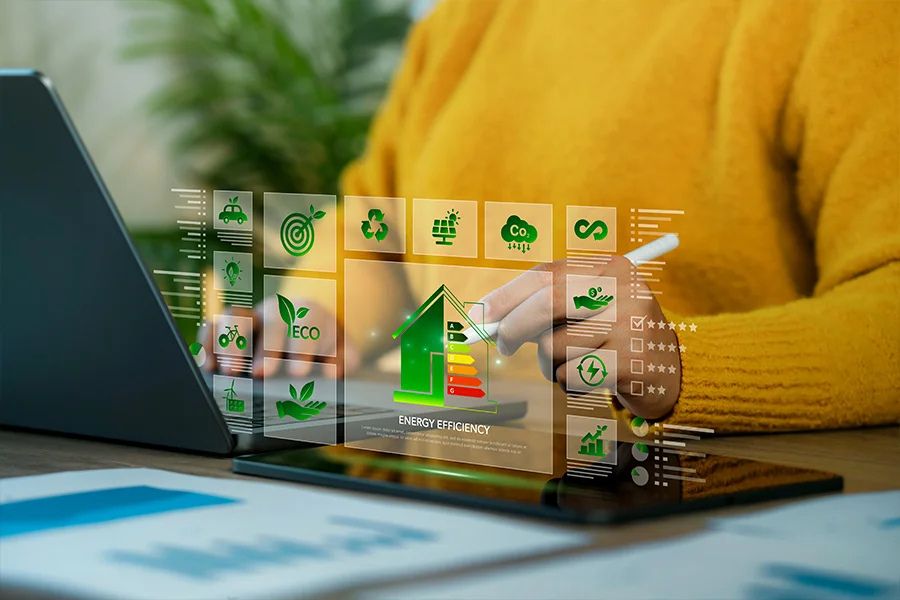
Climate change is no longer knocking on your doors. The fact is, it is already inside. To fight against this natural phenomenon, a silent revolution is unfolding in your neighbourhoods. This approach is called sustainable living. Sustainable homes are basically eco-conscious dwellings that are reshaping how you build, buy, and live. Those days are gone when the energy-efficient windows were considered a luxury because they are now a selling point.
The competitive real estate market is rapidly aligning with environmental values. The government of the UK is implementing stricter green building regulations, where buyers are actively seeking homes that reflect their eco-friendly lifestyles. Do you know what makes a residential property sustainable? Here is a closer look.
Let’s find it!
Energy Efficiency
An energy-efficient home is increasingly desirable. It lowers your utility bills and reduces carbon footprints, which makes them more attractive to buyers. From solar panels to high-performance insulation, energy efficiency is the backbone of a green home. It typically reduces the reliance on fossil fuels and brings down monthly bills.
In competitive markets, services such as home energy assessments in Scotland help identify improvements that enhance efficiency and market value. Modern buyers often prioritise residential properties with established energy-saving credentials over inefficient and comparable homes.
Smart Home Technology
By incorporating smart home technology, sustainability can meet convenience. Smart lighting systems, thermostats, and energy monitors can ensure minimal waste and maximum control. Buyers are increasingly willing to pay for a premium home equipped with connected systems that offer convenience and long-term cost savings. These systems also align with green living trends that influence modern property valuations.
Water Conservation Systems
Water conservation features include efficient irrigation systems, rainwater harvesting, low-flow fixtures, dual-flush toilets, and greywater recycling. These systems are valued for reducing environmental impact and lowering utility bills.
It can be said that in areas of Scotland prone to drought and high water costs, these systems make homes more resilient and cost-effective to operate. The eco-conscious and prospective buyers recognise that efficient water use typically contributes to sustainability goals and long-term savings. It increases demand and boosts market value in comparison to conventional properties.
Waste Management and Recycling
In sustainable homes, the built-in compost systems, space for recycling bins, and easy waste sorting can make waste management seamless and responsible. These comprehensive recycling and waste management systems improve sustainability by reducing landfill contributors and promoting the circular use of materials.
Proper waste systems also simplify lifestyle choices and demonstrate upgraded design. It results in stronger positioning and higher perceived value in the competitive real estate markets.
Use of Eco-Friendly Materials
Materials like recycled steel, bamboo flooring, and reclaimed wood are not only durable but also leave a smaller carbon footprint. These materials offer lower maintenance costs, enhanced durability, and reinforce perceived quality. In the renovation projects, services like professional underfloor insulation in Scotland not just improve energy performance but also appeal to buyers who seek both long-term savings and sustainability.
Improved Indoor Air Quality
Indoor air quality plays a significant role in maintaining the health of people who live in residential properties. There is no doubt that good indoor air quality enhances comfort, health, and overall livability. These are also the key selling points that raise the visual appeal and value of a home.
Sustainable homes in Scotland incorporate air-purifying materials, ventilation systems, and low-emission finishes that reduce air-borne pollutants and allergens. Today’s health-conscious buyers are increasingly prioritising health and well-being and livable properties that promise cleaner indoor environments.
Green Certifications
These are another innovative way to increase the value of your residential property in the real estate market. Green building certifications signal verified sustainability performance. It gives potential buyers confidence in the environmental credentials of a property.
Certified homes in Scotland often command higher selling prices due to demonstrating reduced operational costs and resilience. Green certifications provide tangible proof of quality, energy savings, and long-term sustainability.
Sustainable homes in today’s real estate market in the UK are much more than a trend. These are a smart investment, a lifestyle, and most probably a key to a more responsible future. As eco-awareness grows and technology advances, homeowners will continue to turn a deeper shade of green. So, the next time you upgrade your home, do not just look for the curb appeal, but also look for the carbon footprint.
Leave a Reply