
A lake can feel like a little escape from the noise of everyday life. The calm water, trees along the shore and sound of birds can make a place feel special. But behind that peaceful view, a lake needs care. Water levels change. Heavy rain can move soil. Drainage can become blocked. Problems that seem small at first can slowly turn into expensive repairs. The good news is that paying attention early can make a real difference.
Why Lake Care Matters
A healthy lake is more than a beautiful view. It can provide a home for fish, birds, plants and other wildlife while giving you a peaceful place to spend time outdoors. Poor drainage, erosion and excess runoff can affect both the water and the land around it. You do not need to become an expert to notice early warning signs. Fresh muddy areas, standing water, exposed roots or unusual changes along the shoreline are all worth paying attention to.
Start With the Shoreline
The shoreline is often the first place where changes become visible. Rain, waves and fluctuating water levels can slowly wash soil away. Once erosion starts, the edge of the lake may become uneven and nearby plants can lose the support they need. Keeping natural vegetation in place can help protect the soil. Grass, shrubs and other plants can provide a simple layer of protection while also making the shoreline feel more natural.
Pay Attention to Water Flow
Water always looks for the easiest path. After a heavy storm, that path can sometimes become a problem. Blocked ditches, damaged drainage areas or poorly directed runoff can leave water sitting where it should not. This may create soggy ground or wash away soil. Checking drainage areas after major rainfall can help you notice changes before they become serious.
Practical lake solutions may involve improving water flow, addressing erosion, protecting the shoreline or managing runoff. Every lake and property is different, so there is rarely one answer for every situation. The important thing is to understand what is actually causing the issue before making changes. A quick fix may look good for a while, but solving the underlying problem is usually much more useful in the long run.
Do Not Forget About Culverts
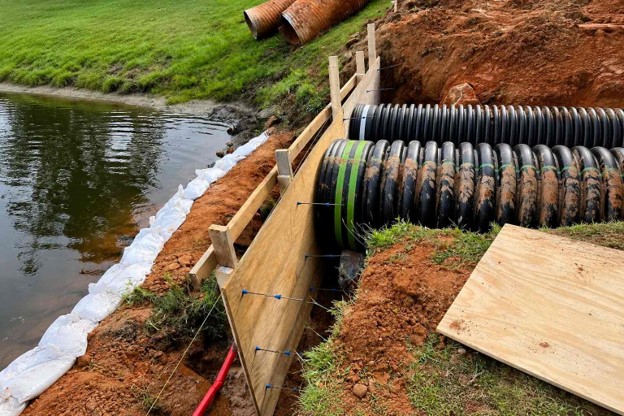
Culverts may not be the most exciting part of a property, but they play an important role. These structures allow water to pass underneath roads, driveways and paths. When a culvert becomes blocked, cracked or damaged, water can back up and find another route. That can lead to flooding, soil erosion and damage around the surrounding area.
Timely culvert repair can help restore proper drainage and reduce the chance of further erosion. Standing water near the entrance, washed out soil or visible damage can all be signs that a culvert needs attention. Waiting until water causes major damage can make a relatively simple issue much harder to deal with.
Think Beyond One Problem
One drainage issue can affect a surprisingly large area. Water does not stop at property lines. If runoff is redirected in one location, it may collect somewhere else or move toward the shoreline. That is why it helps to look at the entire area instead of focusing on one wet patch or damaged section. Understanding where water comes from and where it naturally wants to go can make planning much easier.
Small Checks Can Prevent Big Headaches
You do not always need a major project to protect a lake. Regular checks can go a long way. After a strong storm, walk around the property when conditions are safe. Look for new erosion, standing water, exposed roots, blocked drainage paths and changes around culverts. These simple observations can give you an early warning that something needs attention.
Let Nature Do Some of the Work
A perfectly neat shoreline may look appealing, but natural growth has an important job. Plants can help hold soil together and provide shelter for wildlife. Removing every bit of grass or vegetation near the water can sometimes make erosion worse. A balanced approach is often better. Keep areas maintained where necessary, but allow suitable natural vegetation to remain where it can help protect the land.
Protect the Lake for the Long Run
Taking care of a lake is not about making everything look perfect. It is about understanding how water, soil, plants and surrounding land work together. A little attention today can prevent a much bigger headache later. When drainage is working properly, erosion is kept under control and natural areas are respected, the whole waterfront benefits.
A lake should be a place where you can slow down, breathe and enjoy the outdoors. With thoughtful care and a little planning, it can stay that way for years to come. The goal is simple: protect the land, respect the water and deal with small problems before they have a chance to become big ones.
Leave a Reply