
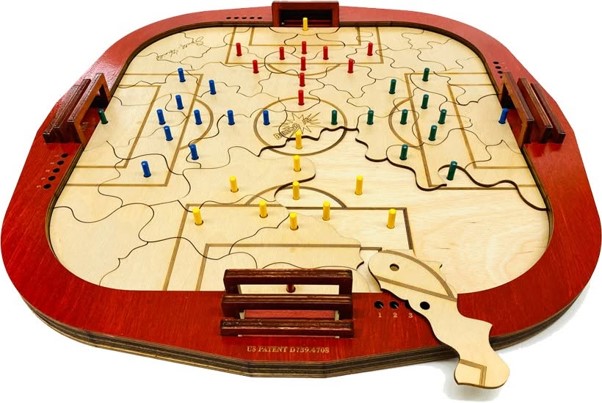
Kids today have endless ways to stay entertained, but not every activity helps them think, learn, and grow at the same time. That is one reason a soccer board game has become such a fun choice for many families. It brings together friendly competition, quick thinking, and hands on play in a way that keeps children engaged without feeling like they are learning. While many parents search for the best board game online store to find something different, the real value comes from the skills these games quietly build during every match.
Every Move Encourages Smart Thinking
One of the biggest lessons children learn through board games is that every choice matters. Before making a move, they need to look at the board, think about what could happen next, and decide on the best option.
This simple process teaches strategic thinking in a very natural way. Kids begin to understand that rushing into a decision is not always the smartest path. Instead, they learn to slow down, consider different possibilities, and plan a few steps ahead.
These habits often carry into school, sports, and even everyday situations where careful thinking leads to better results.
Focus Grows Without Feeling Like Work
Keeping a childs attention can be challenging, especially with so many digital distractions competing for their time. A tabletop game creates a different kind of experience because every player needs to stay involved from beginning to end.
Missing a single move can change the outcome of the game, so children naturally pay closer attention. They begin watching patterns, remembering previous plays, and staying mentally present.
Unlike structured lessons or homework, this kind of focus develops through enjoyment rather than pressure, making it much easier for kids to build longer attention spans over time.
Problem Solving Happens in Real Time
Every game presents unexpected situations. A plan that seemed perfect one moment may suddenly stop working after another player makes a clever move.
Instead of giving up, children learn to adjust. They look for new solutions, rethink their approach, and find creative ways to recover.
These small moments teach an important life lesson. Problems rarely have only one answer. Learning to adapt and stay calm while searching for another solution helps build confidence that extends far beyond game night.
Healthy Competition Builds Confidence
Winning always feels exciting, but losing can be just as valuable. Board games give children a safe place to experience both success and disappointment. They learn that mistakes are part of learning, and every loss offers a chance to improve the next time.
This balanced experience encourages resilience. Rather than becoming discouraged, many kids begin asking themselves what they could do differently. That mindset supports growth in academics, sports, and other personal challenges.
Family Time Creates Better Learning
Some of the best lessons happen when families simply spend time together. Sitting around a table encourages conversation, laughter, teamwork, and shared experiences. Parents often have opportunities to guide children without making it feel like a lesson.
Kids also observe how adults solve problems, stay patient, and respond to both wins and losses. Watching these behaviors helps children develop emotional intelligence alongside strategic thinking. These moments often become lasting memories that children remember long after the game ends.
Hands On Play Supports Brain Development
Physical games offer something screens often cannot. Children use their hands, eyes, and minds together while playing.
Moving pieces, judging positions, reacting quickly, and coordinating movements all strengthen important developmental skills. Fine motor control, visual tracking, and decision making work together throughout the game.
Because children stay actively involved instead of passively watching a screen, they remain mentally engaged from start to finish.
Learning Feels Like Fun
Perhaps the greatest benefit is that children rarely realize how much they are learning. There are no grades, no tests, and no pressure. Instead, every round offers another opportunity to think, adjust, observe, and improve while simply having fun with family or friends.
When learning feels enjoyable, children naturally become more curious, more confident, and more willing to challenge themselves. Those qualities often stay with them as they grow, helping them approach new situations with patience, creativity, and a stronger belief in their own abilities.
In the end, games that combine movement, strategy, and thoughtful decision making offer much more than entertainment. They create meaningful moments where children practice real life skills without even noticing. That quiet kind of learning often becomes the most valuable because it happens naturally, one thoughtful move at a time.
Leave a Reply